
Bangkok’s Street Food Ban
There seems to be a certain amount of media outrage associated with the ‘ban’. The prevailing view is that bureaucracy…


When I first moved from Bangkok to Sydney in 2005, I was shocked that the McDonald’s there didn’t have a sauce station, not only that, but they even charged for packets of sauces! In Thailand sauces are more freeflowing, as a nation powered by flavours, they are what Robin is to Batman – a quintessential sidekick. We dip into sauces and add them to everything (even on things like pizza, controversial I know!), complementing and enhancing the hero. These are called nam jim, nam means water or liquid, and jim means to dip, together it means dipping liquid. Sweet, sour, spicy, salty, they come in many combinations, each variation fit for a different occasion. Without further ado, let’s dip our toes into the world of nam jim!
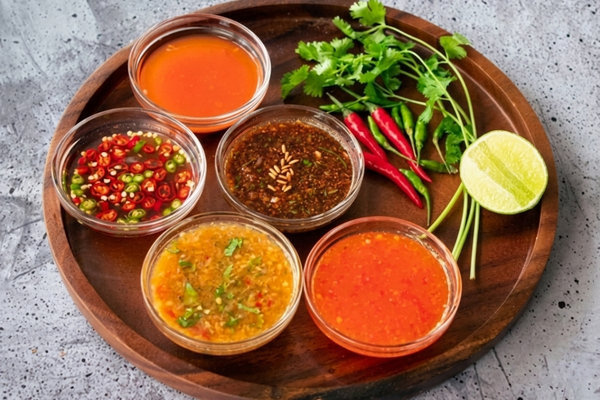
A variety of nam jim, Thai dipping sauces (Image source | Hot Thai Kitchen)
Nam jim jaew
Crowned the best Thai dipping sauce (according to my husband), nam jim jaew is a salty, toasty, spicy and zingy sauce often found paired with grilled meats such as kor moo yang (grilled pork neck) or sua rong hai (crying tiger). The moo ping cart I used to frequent as a child had the best nam jim jaew, and I would get extra sticky rice to just dip in it! Although it has origins in Northeastern Thailand (Isan) and Laos, it has become a favourite with people all around the country. Making it is simple, mix together tamarind juice, palm sugar, fish sauce, lime juice, toasted rice powder, roasted chilli flakes, chopped shallots and coriander – adjusting the quantity of each to taste.
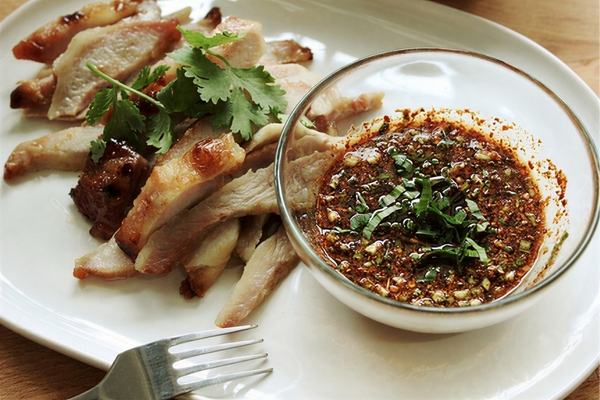
Grilled meat with nam jim jaew (Image source | Cooking Hub)
Nam jim seafood
You guessed it! Nam jim seafood is a dipping sauce for seafood like grilled or steamed prawns, crabs, shellfish, squid and fish. It’s a spicy, garlicky, bright and tangy sauce that is usually green in colour but also has a red variation. For the classic green version, blend together in a blender or mortar and pestle green Bird’s Eyes chilli, green Jinda chilli, lime juice, palm sugar, a lot of raw garlic, fish sauce, water and fresh coriander. For the red version, replace the green chillis with red chillis. The freshness of it complements the delicate and sweet taste of seafood so well, cutting through any fishiness while adding a layer of complexity to it. The dipping sauce is also often found eaten with fresh rice paper rolls, and I personally love dipping grilled mushrooms in it too!
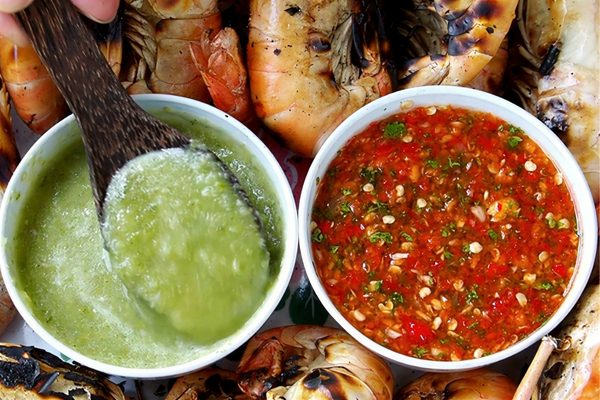
Green and red nam jim seafood (Image source | Krua Bunny)
Nam jim look chin
Look chin are grilled or fried skewered meat balls that are a popular street food snack in Thailand. The dipping sauce that comes with it is sticky, sweet and spicy, and for many, the snack would not be complete without the sauce. The making of this nam jim is a little more involved than the previous 2, starting off with blending together tamarind paste and tomatoes, stirring in brown sugar, palm sugar, salt, garlic, fried shallots, roasted chilli flakes over heat until the sauce thickens, then allowing it to cool before topping it off with whole roasted chillies and chopped fresh coriander. Some recipes will also include pineapple and pickled garlic for extra depth of flavour, however others may have less ingredients and thicken the sauce with tapioca starch instead. When eating look chin, I always look forward to the piece that has fresh coriander stuck to it, the variation in taste is always such a nice surprise!
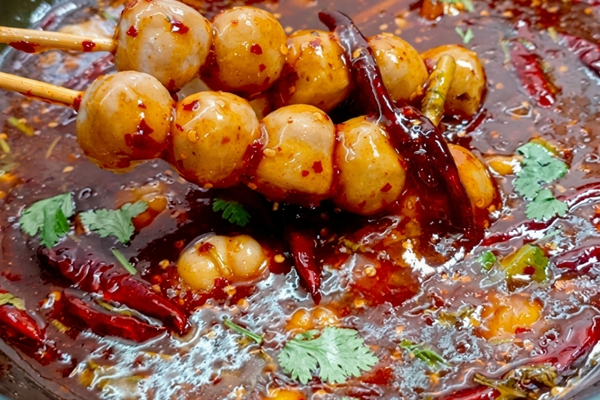
(Image source | Home Kitchen But Delicious)
Nam jim khao mun gai
What distinguishes khao mun gai from the other versions of Hainanese chicken rice in other countries might be the dipping sauce that comes with it. Nam jim khao mun gai is savoury, gingery and garlicky – perfect for cutting through the oily rice. The dipping sauce combines pounded Thai chillies, ginger and garlic with tao jiao (fermented soybean paste), vinegar, light soy sauce, dark soy sauce and chicken stock. Khao mun gai is usually served with two dipping sauces, the spicy gingery one and a plain sweet dark soy sauce – I like to alternate between them to keep things interesting.
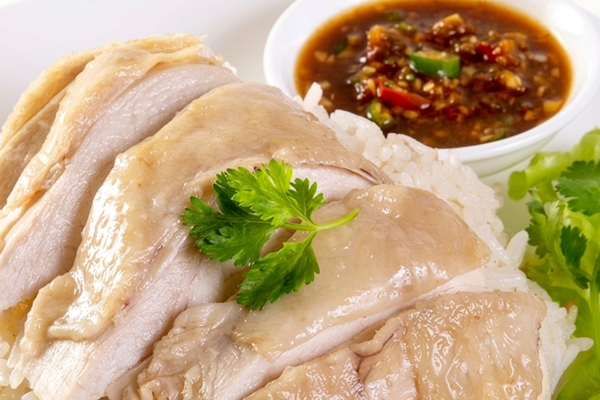
Khao mun gai with its dipping sauce (Image source | Homey Select)
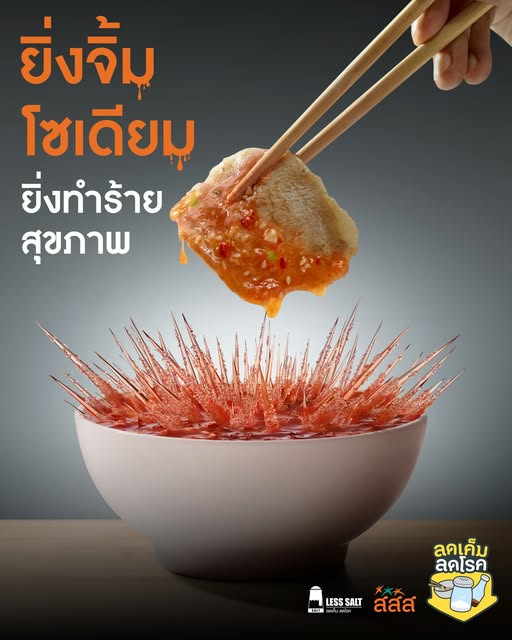
These are some of the most loved and common Thai nam jim, the taste may vary slightly from place to place, and some shops and restaurants might have their own spin and signature flavours for them. Nowadays, you can also find these dipping sauces in bottles at convenient stores and supermarkets, making it a quick and accessible way to enhance the flavours of dishes you have at home. Although it’s undeniable that they are delicious flavour bombs and Thai food would be incomplete without them, the Thai Health Promotion Foundation has in recent years pushed an awareness campaign about the amount of sodium in them. So dip and dunk your way into deliciousness, but do so responsibly!
References


